- Flooring
The Unseen Power: Demystifying Carpet Density and Its Importance
September 8, 2025
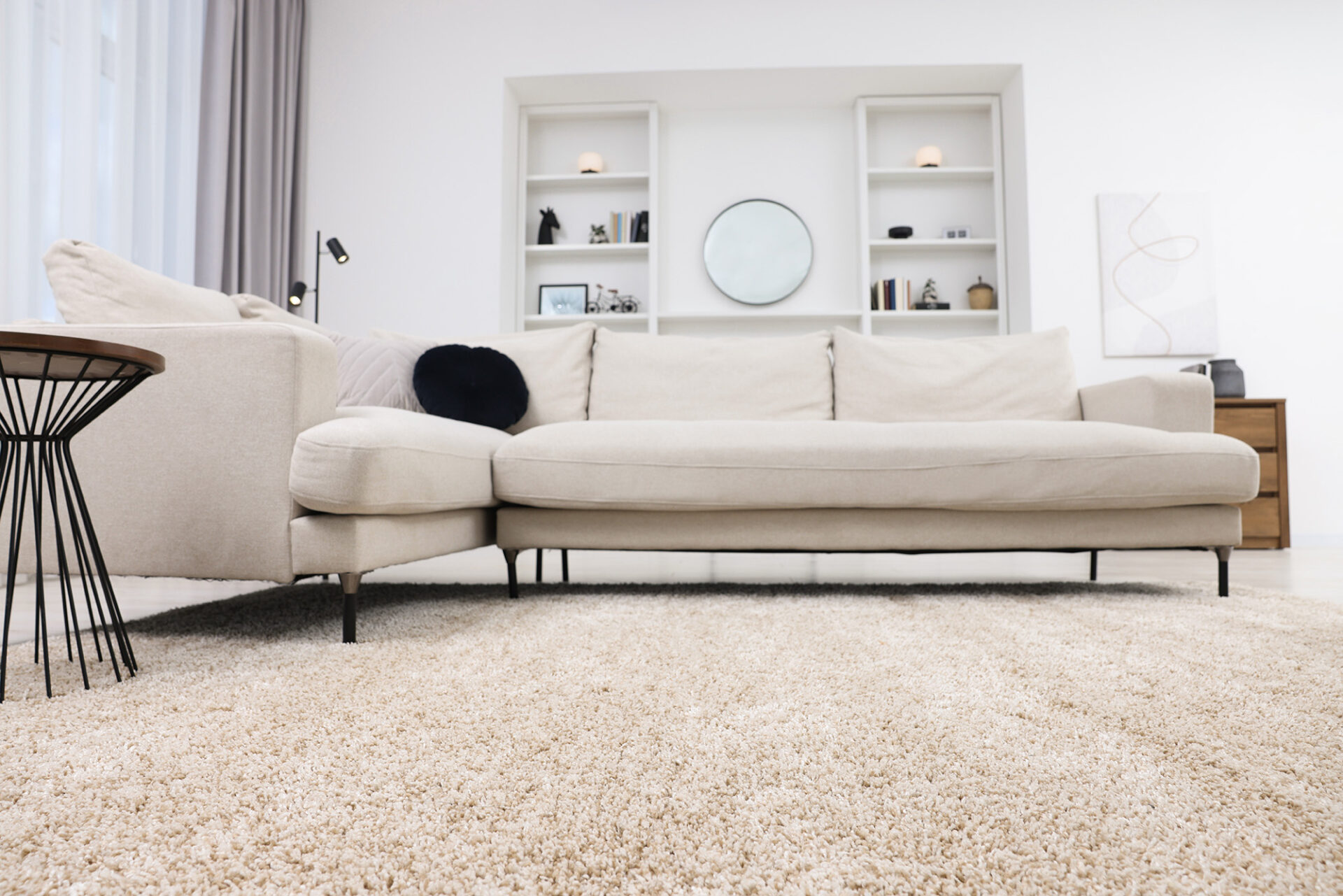
When shopping for carpet in Denton, TX, or surrounding areas like Flower Mound, Frisco, and Southlake, you’ll encounter terms like fiber type, pile height, and face weight. But one of the most crucial, yet often misunderstood, indicators of carpet quality and durability is carpet density. It’s an unseen power that significantly impacts how long your carpet will look good, resist matting, and stand up to traffic. Understanding what is carpet density and what is a good carpet density will empower you to make a truly informed investment in your home’s comfort and longevity.
At The Design House, we believe in transparent and expert guidance. As your home interior transformation specialists in Denton, TX, we’re here to explain the science behind carpet density and help you choose flooring that delivers lasting value.
What is Carpet Density? The Science Explained
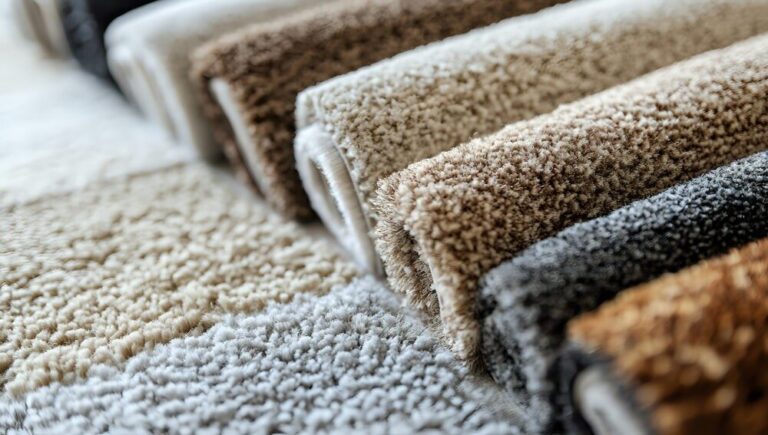
Carpet density refers to how tightly packed the carpet fibers (or tufts) are within the carpet backing. It’s a measure of the amount of yarn or fiber per cubic inch of carpet. Think of it like a forest: a dense forest has trees packed closely together, making it harder to push through, while a sparse forest is easier to navigate.
Density is typically measured in ounces per cubic yard, though you often won’t see this exact number listed directly. Instead, you’ll feel it: denser carpets feel firmer and more substantial when you press down on them.
Carpet density is distinct from:
- Face Weight: This is the weight of the carpet fibers per square yard, typically measured in ounces. While related (higher face weight often means higher density), it’s not the same. A carpet can have a high face weight because it has very tall fibers that aren’t tightly packed, which can lead to matting.
- Pile Height: How tall the carpet fibers are. Tall, loose fibers will not feel as dense as short, tightly packed ones, even with the same face weight.
Why Carpet Density Matters So Much (The Unsung Hero of Durability)
Carpet density is arguably the single most important factor for a carpet’s performance and longevity, even more so than face weight alone. Here’s why:
Resistance to Matting and Crushing
This is the primary benefit. When carpet fibers are packed tightly, they support each other. This collective support system prevents the fibers from falling over and matting down, especially in high-traffic areas like hallways, living rooms, and stairs.
A less dense carpet with a high face weight (meaning tall, loose fibers) will mat down faster, making it look worn out prematurely.
Improved Durability
A dense carpet will withstand heavy foot traffic and the weight of furniture better than a less dense one. It holds up longer against general wear and tear, extending the life and beauty of your carpet.
Enhanced Appearance Retention
Because it resists matting, a dense carpet maintains its original appearance, texture, and feel for a longer period. It bounces back better after being stepped on.
Better Insulation
A denser carpet means more fibers and less air space, providing better insulation against both heat and cold. This can contribute to energy efficiency by helping to regulate your home’s temperature.
Better Sound Absorption
Densely packed fibers absorb more sound, contributing to a quieter and more peaceful home environment.
Easier to Clean
Tightly packed fibers make it harder for dirt and dust to settle deep into the carpet pile, making vacuuming more effective and cleaning spills easier.
What is a Good Carpet Density? Understanding the Carpet Density Rating
There isn’t one universal carpet density rating system that’s easy for consumers to compare directly across all manufacturers, as density is a complex calculation involving face weight, pile height, and tuft bind. However, here’s what is a good carpet density generally means in practical terms:
- Feel Test: The best initial indicator is the “feel test.” Press your fingers deep into the carpet pile. If you can easily feel the backing without much resistance, the density is likely low. If it feels firm and resilient, offering significant resistance, it has good density.
- Pile Height vs. Density: For a given face weight, a shorter pile height will almost always result in a denser, more durable carpet. This is because the same amount of fiber is packed into a smaller vertical space.
- Traffic Areas:
- Low Traffic (Bedrooms, Formal Living Rooms): Moderate density is often sufficient. You might prioritize softness here.
- Medium Traffic (Family Rooms, Dining Rooms): Good density is recommended to resist matting.
- High Traffic (Hallways, Stairs, Entryways): High density is crucial. This is where a lower pile and very tight packing will make the biggest difference in longevity.
- Fiber Type: Nylon fibers, known for their resilience, can achieve excellent durability with a slightly lower density than less resilient fibers like polyester. However, even with resilient fibers, higher density is always better for longevity.
- Manufacturer Ratings: Some manufacturers provide performance ratings for their carpets, which indirectly reflect density and durability. Look for terms like “heavy duty residential” or “extra heavy duty” for high-traffic areas. They may also mention a “Texture Retention Warranty,” which is directly tied to density.
How to Ensure You Get a Good Carpet Density:
- Ask Questions: Don’t hesitate to ask your carpet professional about the density of different carpet samples. Explain where the carpet will be installed and how much traffic it will receive.
- Perform the “Bend Test”: Bend a carpet sample over your hand. If you can easily see the backing through the fibers, the density is low. If the fibers remain tightly packed and obscure the backing, it’s a good sign of high density.
- Consider Pile Type:
- Loop Pile (especially level loop): Naturally dense and very durable due to uncut fibers. Excellent for high traffic.
- Cut Pile (Plush, Saxony): Can be very dense but needs to be to prevent matting. Look for twists that are tightly packed and “heat-set.” Frieze (shag) carpets have long, twisted fibers and rely on twist, not just density, to hide footprints.
- Work with Reputable Retailers: Trustworthy carpet retailers and designers (like The Design House) will guide you towards carpets with appropriate density for your needs, explaining the specifications that matter most.

Uncover the Secret to Lasting Carpet – The Design House!
Don’t let your carpet fall flat too soon! Understanding carpet density and what it means for your home is essential for choosing a carpet that will stand the test of time and traffic in your home. At The Design House, our experts are ready to demystify the carpet density rating and help you select the perfect carpet that combines luxurious feel with exceptional durability.
We’re a local Denton family here to help you create your dream home. We pride ourselves on being the best provider of superior design, quality products, and expert installation and build services. Our company is built on a foundation of foresight, integrity, and exceptional performance, all to add value for you while serving with character and purpose. Call or Visit The Design House.
Our Service Areas
We proudly service the areas of Argyle, Aubrey, Carrollton, Corinth, Denton, Flower Mound, Frisco, Justin, Krum, Lake Dallas, Lewisville, Little Elm, Pilot Point, Ponder, Roanoke, Sanger, The Colony, Colleyville, Crowley, Grapevine, Haslet, Hurst, Keller, Southlake, Celina, Frisco, McKinney, Plano, Bridgeport, and Decatur, TX.
- carpet
- Carpet Density